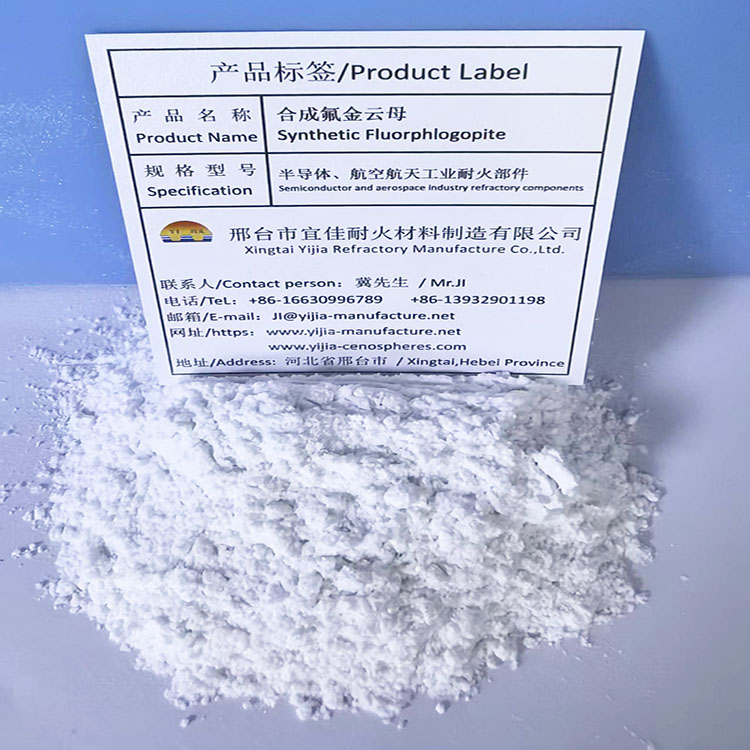
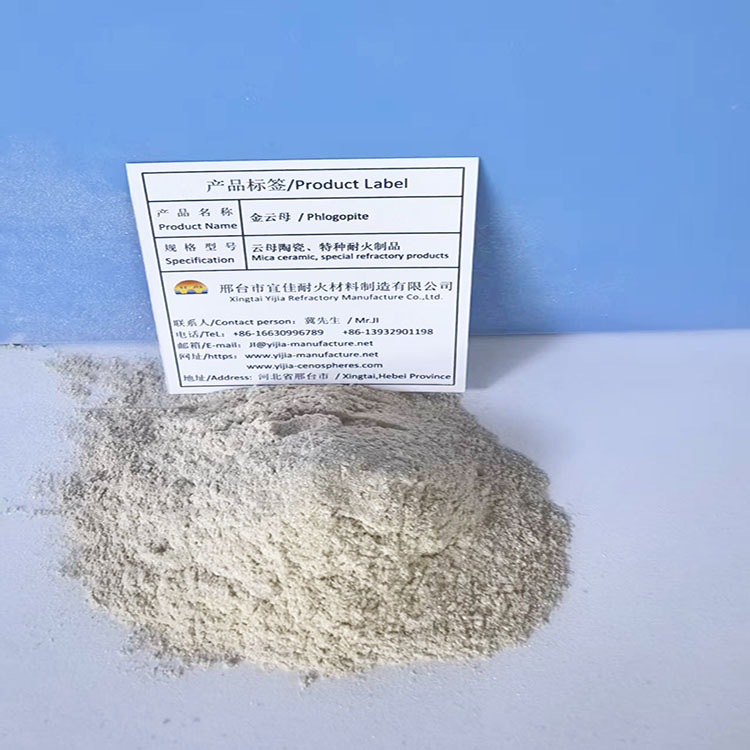
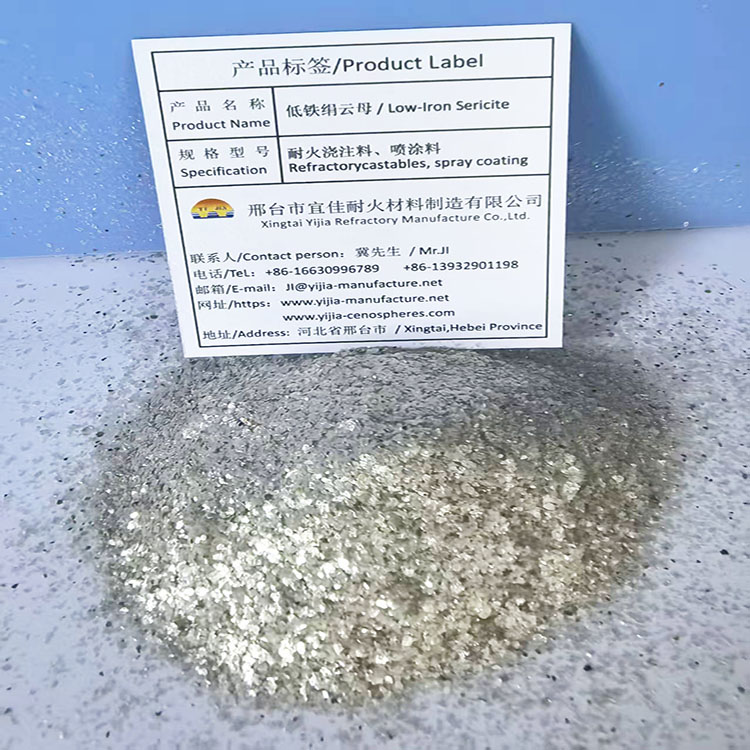
Synthetic fluorophlogopite is an artificial crystal prepared by high-temperature melting, with the chemical formula KMg₃(AlSi₃O₁₀)F₂. Not a natural mineral, it is a high-performance, high-purity material developed to meet extreme performance requirements in cutting-edge technologies. Its key difference from natural phlogopite is the complete replacement of structural OH⁻ with F⁻, enabling a qualitative leap in high-temperature resistance, thermal stability and insulation, making it a core material for critical high-temperature components in semiconductors and aerospace.
-
Extreme high-temperature resistance and thermal stability: Maximum service temperature up to 1100℃ (1200℃ for short periods), with a melting point exceeding 1400℃.
-
Outstanding thermal shock resistance: Withstands instantaneous temperature changes from ultra-high temperatures to room temperature without damage.
-
Ultra-high purity and chemical inertness: Synthesized to over 99.9% purity, almost free of metal impurities like Fe, Ni, Cr and Cu.
-
Excellent high-temperature electrical insulation: Maintains high volume resistivity and breakdown voltage under high temperature and vacuum, serving as a top-tier high-temperature insulating material.
-
Vacuum tightness and low outgassing rate: Structurally stable in ultra-high vacuum, non-gas-absorbing, with extremely low outgassing when heated.
-
Machinability: Synthetic mica ceramics based on it offer excellent machinability, allowing turning, milling, drilling and planing with cemented carbide tools to produce high-precision complex components.
A key material for extreme high-temperature, corrosive and ultra-clean semiconductor processes, used in:
-
High-temperature diffusion/annealing furnaces: Furnace insulation screens, carrier brackets, furnace door seals.
-
Crystal growth equipment: Thermal field components of CZ furnaces (e.g., insulation covers, flow deflectors).
-
Ion implantation: Wafer transfer rings, insulating fixtures.
-
Epitaxial deposition: Insulating components of susceptors.
Perfectly meeting the "lightweight, extreme environment resistance, high reliability" requirements of aerospace, used in:
-
Aero-engines: High-temperature sensor insulation sleeves, ignition system seals.
-
Rockets and missiles: Engine nozzle insulation linings, gas rudder insulation components, nose cone radomes/wave-transparent windows.
-
Spacecraft: High-temperature insulation tiles for reentry/equipment modules, observation windows, high-temperature vacuum windows.
-
Airborne/spaceborne electronic systems: Insulating supports for vacuum devices like high-power traveling wave tubes and magnetrons.




 邢台市宜佳
邢台市宜佳 邢台市宜佳
邢台市宜佳
 Lankecms