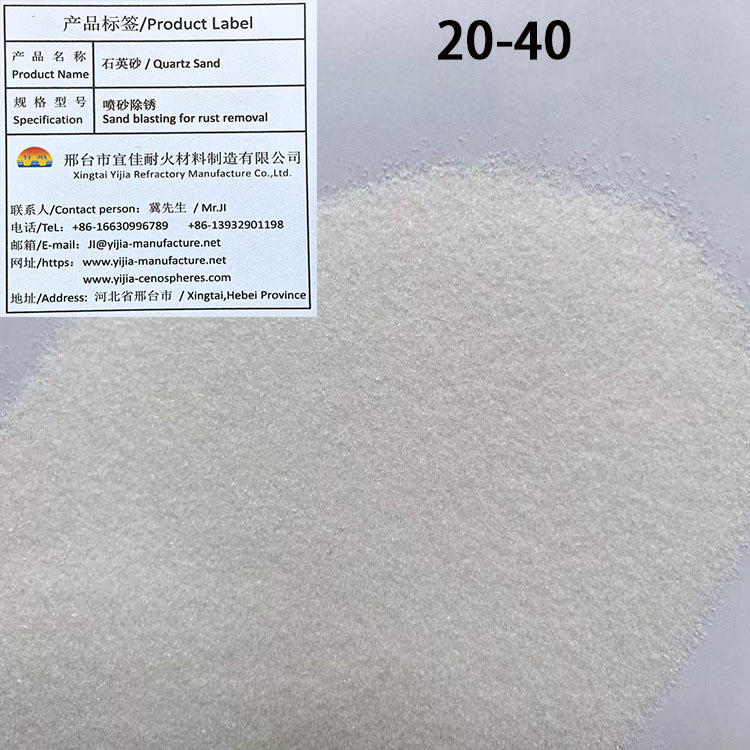
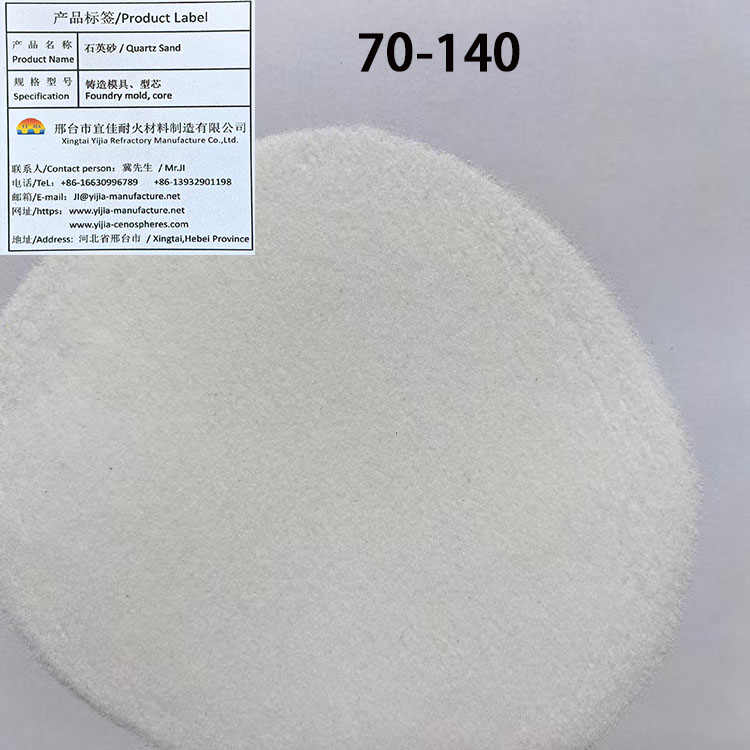
Quartz sand is the primary and most consumed basic raw material in glass manufacturing, accounting for as high as 60%-70% or more of the glass batch and hailed as the "skeleton of glass". It provides silicon dioxide (SiO₂) required for the glass’s main network structure, directly determining its chemical stability, mechanical strength, transparency, heat resistance and most fundamental properties. Unlike ordinary construction sand, quartz sand for glass production is a high-purity siliceous material that undergoes strict processing and careful selection.
-
High-purity silicon dioxide (SiO₂): The most critical indicator. High SiO₂ content forms the basis of a stable silicate tetrahedral network, endowing glass with excellent chemical stability (corrosion resistance), high strength, high hardness and good thermal stability.
-
Excellent chemical stability: Quartz sand is less prone to unnecessary side reactions with other raw materials at high temperatures, ensuring the stability and predictability of glass formulations.
-
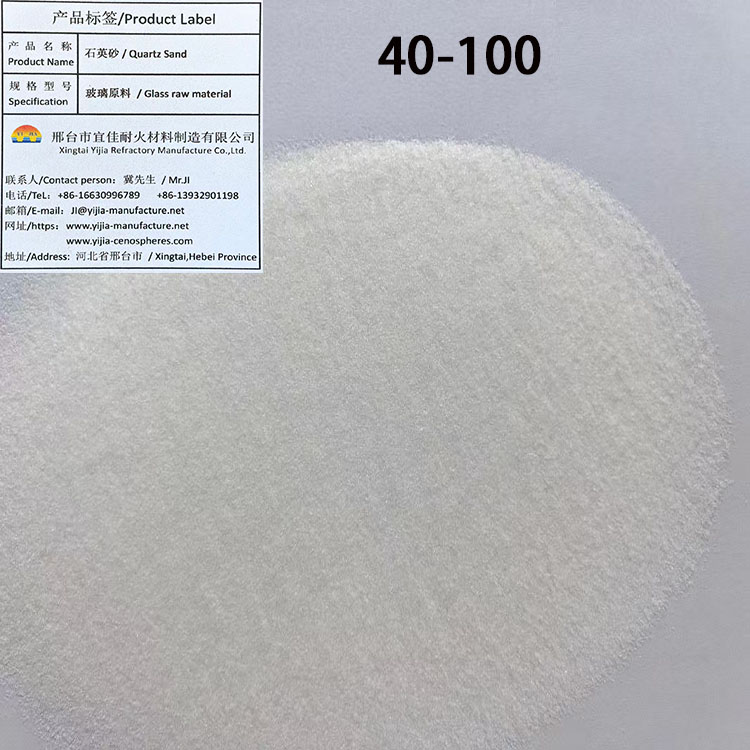
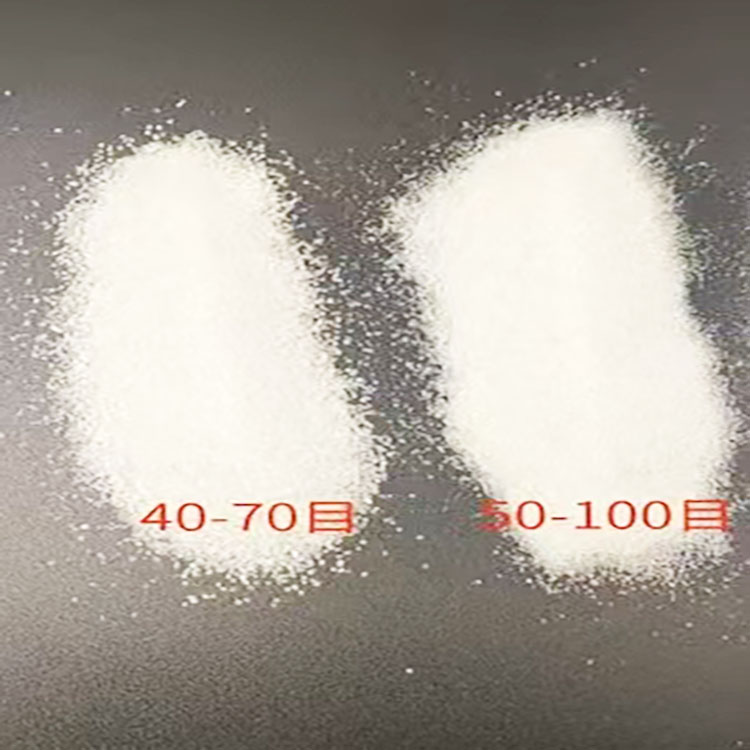
Strict particle size control: Uniform and appropriate particle size distribution enables thorough mixing with other raw materials (e.g., soda ash, limestone) during melting, accelerating reactions, significantly reducing melting temperature and energy consumption, and minimizing erosion of refractory materials in the furnace to extend its service life.
-
Extremely low impurity content: Specific impurities severely affect glass quality, so their content is subject to extremely stringent requirements.
-
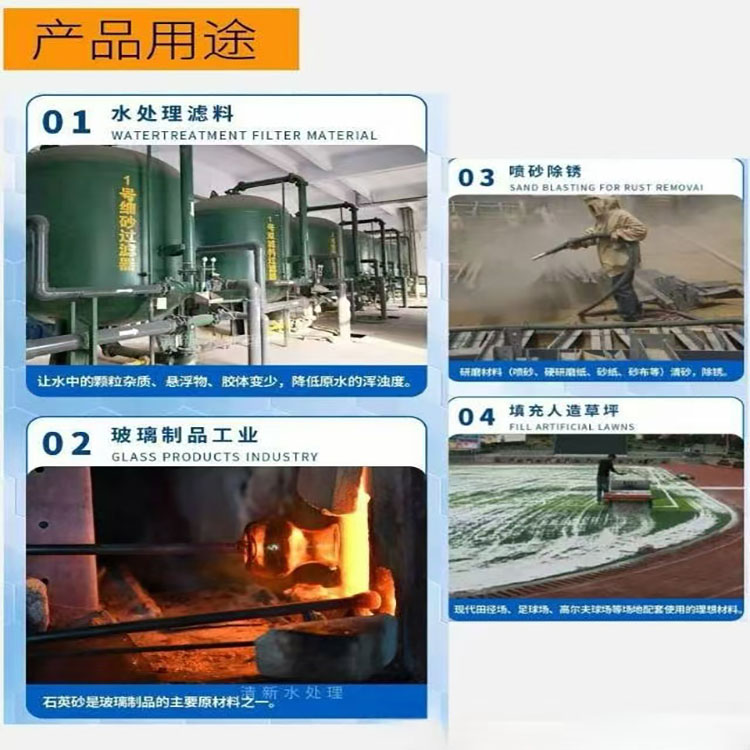
High-end ultra-white glass: Photovoltaic solar panels, high-grade architectural curtain walls, museum display cases, high-end furniture.
-
Flat glass: Building doors and windows, automobile windshields, mirrors.
-
Daily-use glass: Food packaging bottles and cans, containers, tableware.
-
Special and technical glass: Optical glass, electronic glass substrates, laboratory utensils (e.g., borosilicate glass).




 邢台市宜佳
邢台市宜佳 邢台市宜佳
邢台市宜佳
 Lankecms