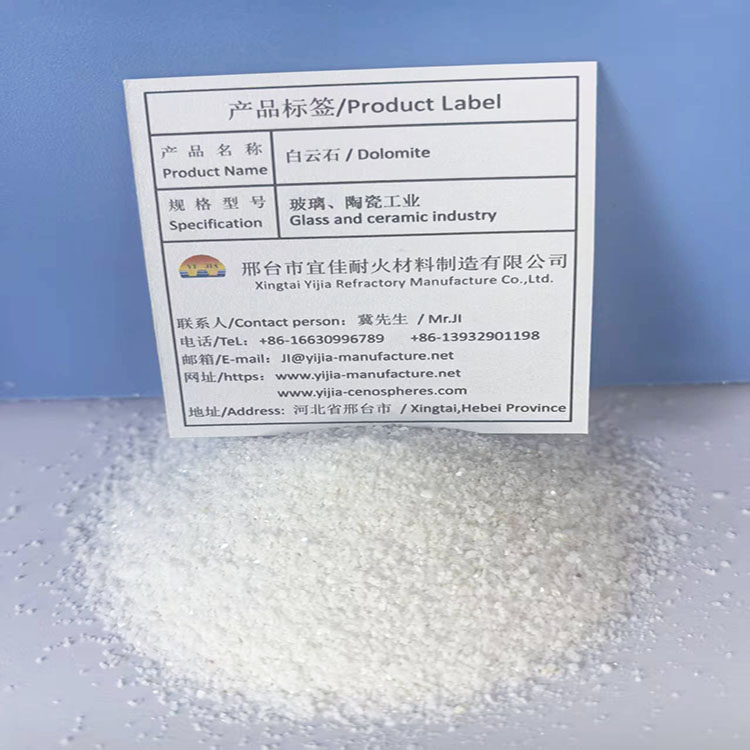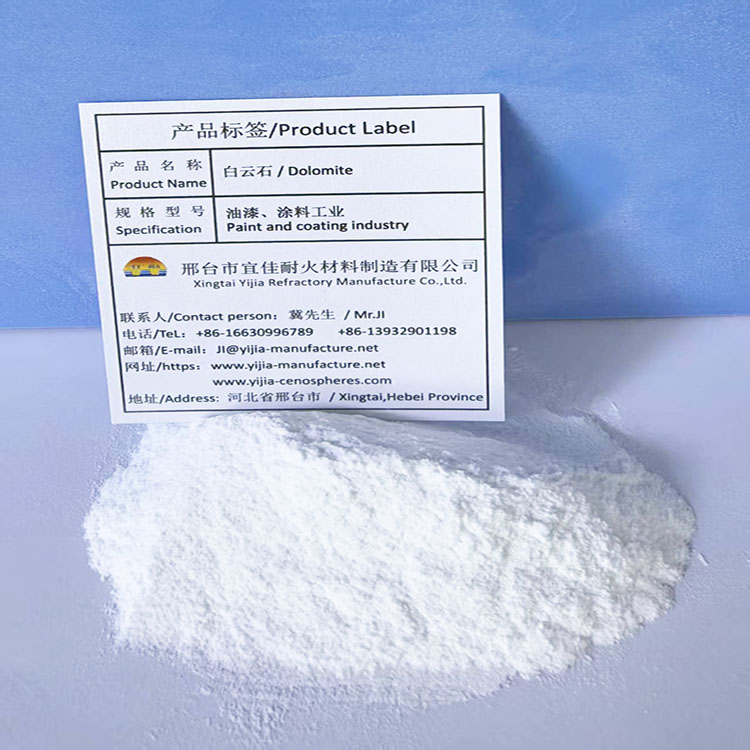
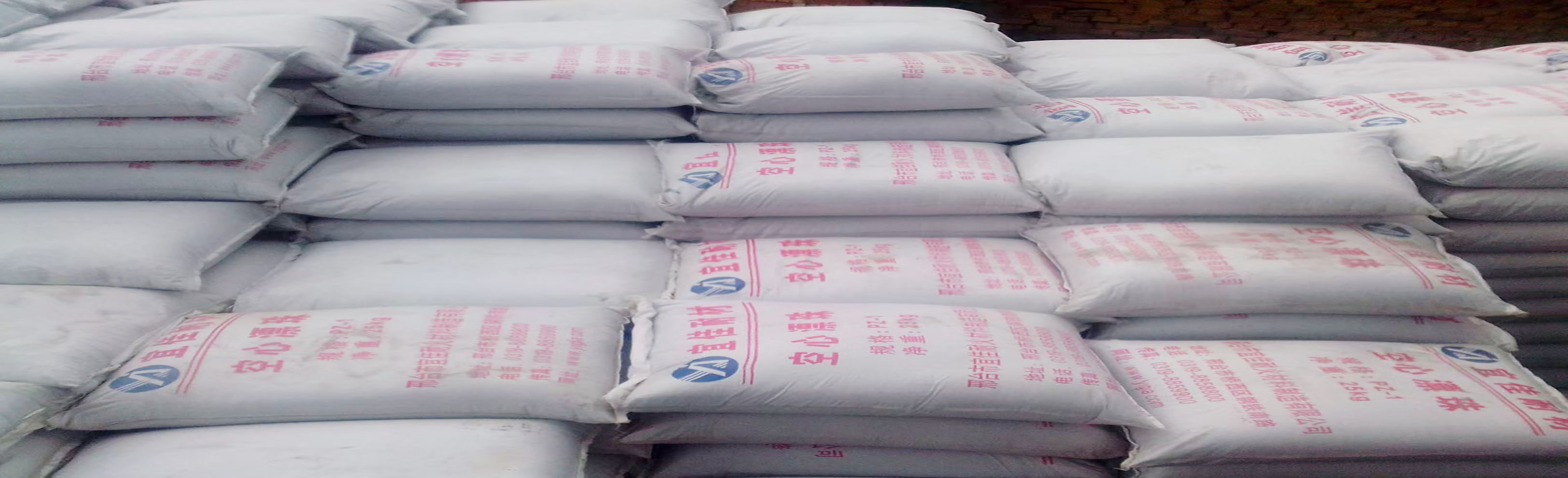
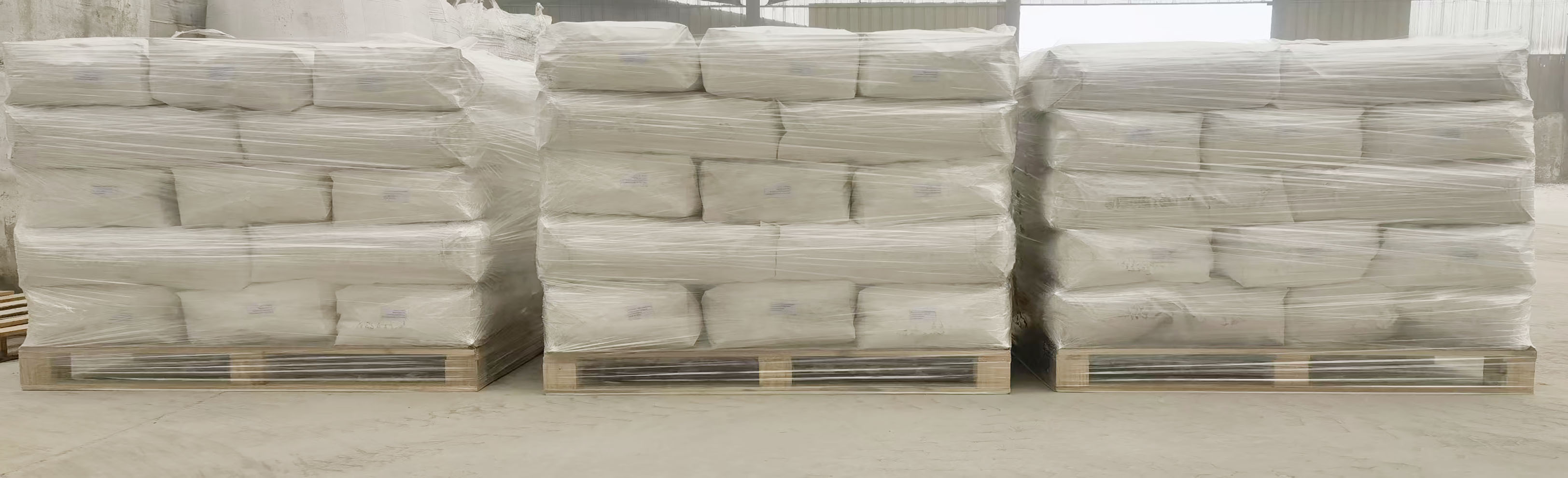
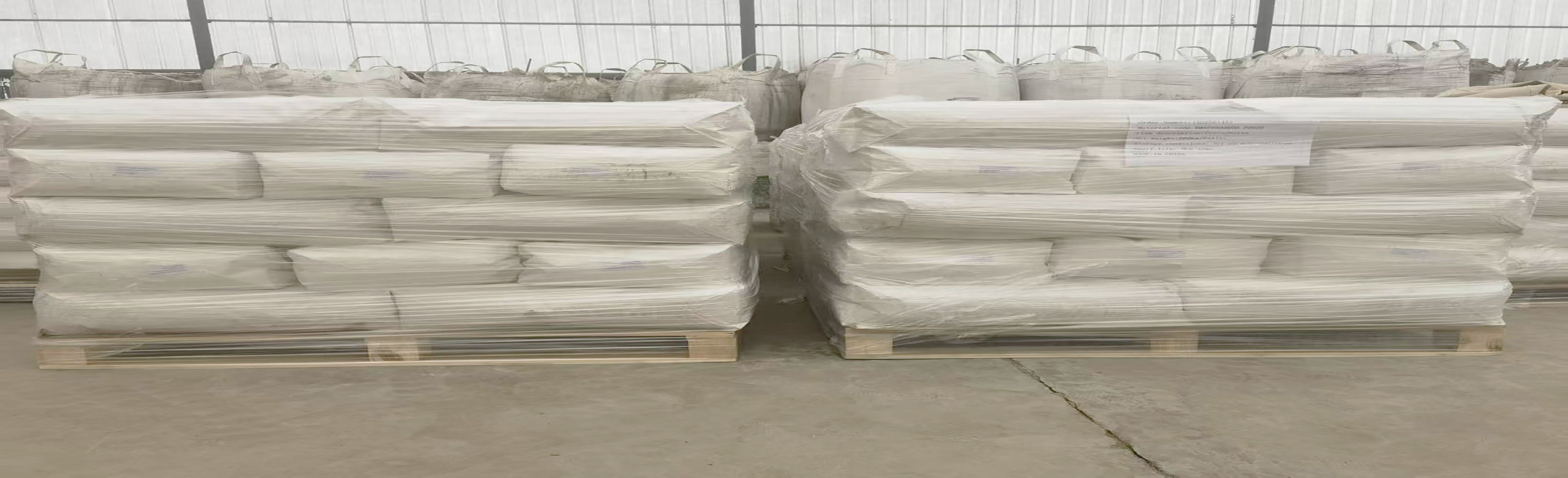
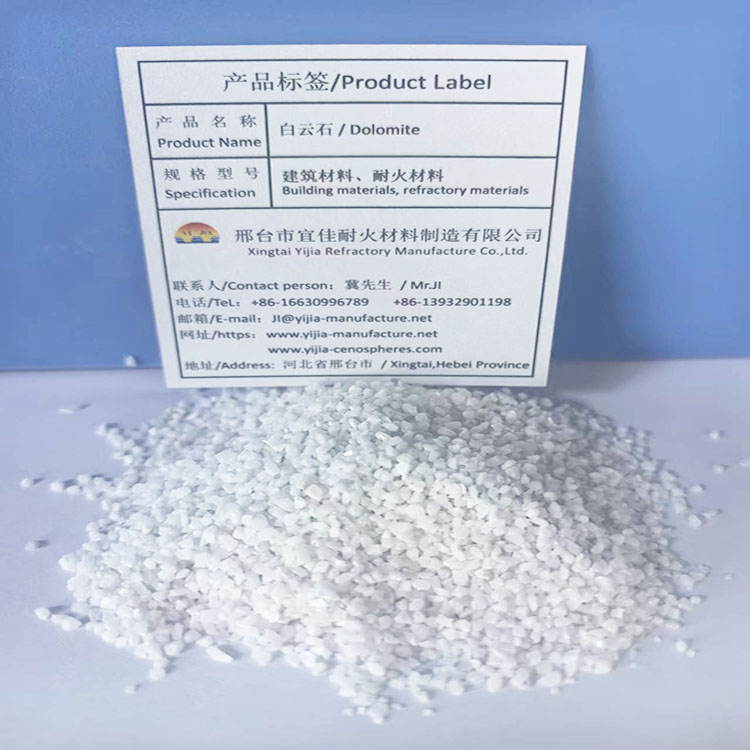
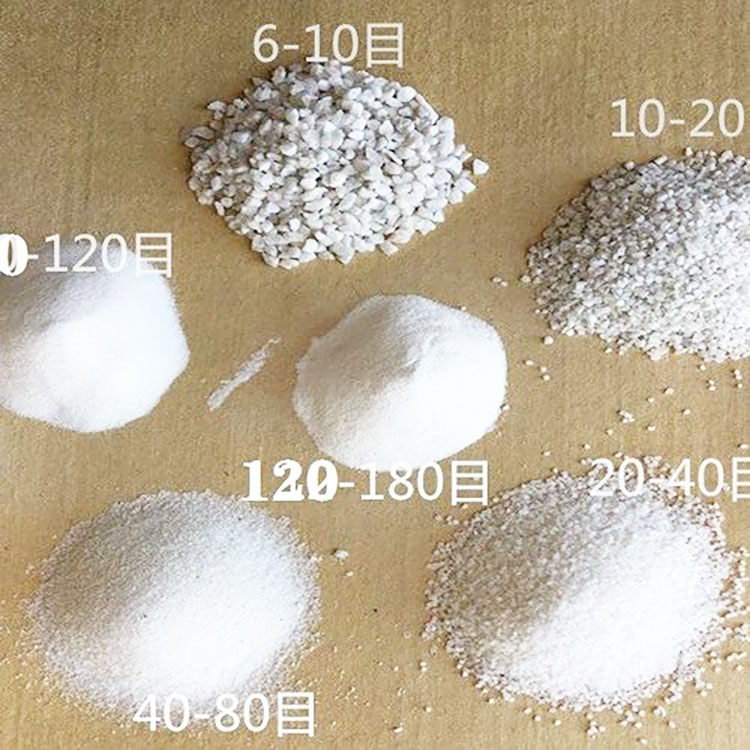
Product description: Dolomite refractory is a key alkaline refractory made from natural dolomite ore (main component: CaMg(CO₃)₂) through high-temperature calcination and processing. Its core lies in calcium oxide (CaO) a
Dolomite refractory is an important alkaline refractory material made from natural dolomite ore (main component: CaMg(CO₃)₂) through high-temperature calcination and processing. Its core feature is its main chemical composition—calcium oxide (CaO) and magnesium oxide (MgO)—two strong alkaline oxides that endow it with excellent resistance to alkaline slags. Despite the technical challenge of easy hydration, modern technologies have made it an indispensable furnace lining material in high-temperature industries such as cement and steel.
Core Performance Advantages
Excellent alkali corrosion resistance: Its primary advantage. The main MgO and CaO components effectively resist chemical erosion from alkaline slags, high-calcium cement clinker and steelmaking slags, extending furnace service life.
Superior refractory performance: After high-temperature "dead burning", it has a refractoriness of over 2300°C and stable volume, meeting the operating temperature requirements of most high-temperature industrial furnaces.
Molten steel purification: In steelmaking, CaO dissolved from dolomite refractory enters the slag, helping remove harmful impurities like sulfur (S) and phosphorus (P) from molten steel to improve purity.
Environmental friendliness and chromium-free: It can fully replace traditional magnesia-chrome bricks, avoiding toxic hexavalent chromium (Cr⁶⁺) compounds, making it a key choice for "green refractories" and eco-friendly production.
Resource and economic benefits: For regions lacking magnesium resources but abundant in dolomite, it is a cost-effective alternative to magnesia refractories.
Main Product Forms
Dead-burned dolomite sand (raw material)
Dolomite bricks
Dolomite unshaped refractories (castables, ramming mixes and furnace repair materials)
Main Application Fields
Cement industry: Burning zone and transition zone of cement rotary kilns.
Steel industry: Working linings of converters and electric furnaces, and ladle slag lines.
Glass furnace regenerators: As checker bricks, they outperform some magnesia bricks in resisting alkali vapor erosion.
Non-ferrous metallurgical furnaces: Used in smelting environments handling alkaline slags.